860 236-9350 / Text 860 977-0660
690 Flatbush Avenue, West Hartford, CT 06110-1308
Text 860 977-0660
860 236-9350 / Text 860 977-0660
690 Flatbush Avenue, West Hartford, CT 06110-1308
Text 860 977-0660

WELCOME TO OUR FIRM
When you hire the Serrano Law Firm, you are hiring skilled legal professionals determined to help clients obtain the best possible outcome for their cases.
In relying on our law firm, you are relying on the 30 years legal experience which Attorney John Serrano has in helping persons and families resolve legal matters.
Whether you have suffered a personal injury from a car accident, dog bite. or other cause, whether you are applying for Social Security Disability & SSI because you are unable to work, whether you were hurt at work and have a workers compensation case, whether you are facing divorce, whether you have been arrested for a crime, including DWI or DUI, or whether you are seeking immigration services to obtain a green card or became an American citizen, you can trust the Serrano Law Firm to help you best achieve your goal. Call us now at 860 236-9350.
We represent clients throughout Connecticut from our West Hartford office. We also represent clients for SSI and Social Security Disability in Massachusetts (Springfield - Holyoke - Northampton - Chicopee - area) for Social Security Disability and SSI and for car accident and personal injury cases that happen in Connecticut.
Free initial consultation for most cases.

Contact Us Confidentially About Your Case.
Disclaimer: Please note that in viewing our site or sending us information with this form you are not hiring us as your lawyer.
To hire us as your lawyer you must sign a contract with us to represent you in this matter.
Thank you for sending us this information.
"The greatest good for the greatest number." – Jeremy Bentham.
At our law firm, we focus on the areas of law that affect people most.
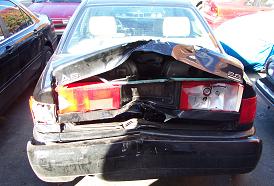 Accidents can happen anywhere, anytime and to anyone. Accidents cause injury, pain and financial hardship. Whether you're hurt in a car crash or injured on the job and have a workers' compensation claim, we use our knowledge and 30 years experience in dealing with insurance companies to make sure they give your personal injury or wrongful death case the serious attention it deserves.
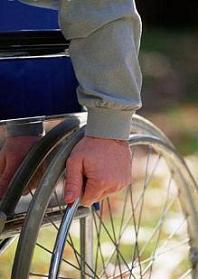 Illness, injury and impairments keep many people from being able to work.
The federal government helps these people with Social Security Disability and SSI (Supplemental Security Income) benefits.
Delete the link to SSI. Applying for benefits is difficult and time consuming. Claims are often denied. The law is complex. We help people assemble the necessary information and deal with the issues, forms, evaluations and hearings required to obtain disability.
Illness, injury and impairments keep many people from being able to work.
The federal government helps these people with Social Security Disability and SSI (Supplemental Security Income) benefits.
Delete the link to SSI. Applying for benefits is difficult and time consuming. Claims are often denied. The law is complex. We help people assemble the necessary information and deal with the issues, forms, evaluations and hearings required to obtain disability.
 Immigration built the United States and makes it unique. Our law firm helps people navigate the issues and process of filing petitions for visas and legal permanent resident status (green cards) for their family members (husbands, wives, children and parents). Our immigration services also include helping permanent residents realize their dream of gaining American citizenship through naturalization.
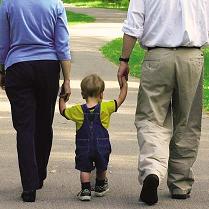 No one gets married planning to end up in divorce court. However, circumstances develop that make some couples realize they would be better off separated. We help you know your rights and protect yourself, your children and your property during divorce. In many situations, we can get you a no fault quick divorce or a 30 day no-court divorce. We also provide mediation services — a way for divorcing couples to work together to reach an agreement and reduce expense and emotional conflict. Through prenuptial agreements, we help people contemplating marriage protect themselves and their property.
 A moment of poor judgment can have lifetime consequences when an arrest is made. FWe vigorously defend people facing criminal or drunk driving (DUI) charges. Our defense success includes not guilty trial verdicts for kidnapping and sexual assault. We regularly help first time offenders avoid convictions and having a criminal record. Know you rights. Our firm provides help for felony and misdemeanor cases, including arrests for drugs, assault, domestic violence, larceny and motor vehicle crimes.

A graduate of Yale and UConn Law School, Attorney John Serrano is a Connecticut lawyer who focuses on Personal Injury, Worker’s Compensation, Social Security Disability, Immigration, Divorce and Criminal Law. He is fluent in Spanish and Portuguese. With his skill, determination and 30 years experience, Attorney Serrano gets results.

Reach us by phone (860 236-9350), by text (860 977-0660), or by email ( js@serranolawyer.com ). We make Saturday and evening appointments. If you cannot visit our West Hartford law office, we come to your home or hospital room. Free initial consultations for most cases.
Our address is 690 Flatbush Avenue, West Hartford, CT 06110.
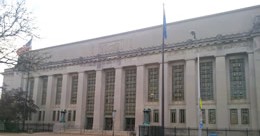
We primarily handle Personal Injury and Worker’s Compensation cases in ALL of Connecticut. We handle Social Security Disability in Connecticut and Springfield - Holyoke, Mass. We handle Divorce , Criminal and DUI cases in these courts: Enfield, Hartford, Manchester, Meriden, Middletown, New Britain, Rockville (Tolland / Vernon) and Waterbury.
Our law firm provides quality legal representation. With over 30 years experience as a Connecticut lawyer, Attorney John Serrano has helped thousands of clients make life right when things go wrong. Rely on his skill, knowledge, and personal attention to each case.
Call us (860 236-9350) for a consultation if you or a family member:
"The leading rule for the lawyer is diligence." – Abraham Lincoln.
Honest Abe was right. Hard work pays off. So does attention to detail. When we take your case, whether it's a wrongful death claim due to a fatal accident, or you have been charged with a "minor" crime, we do what it takes to give you the best possible result. Every case, every client is important. We fight for your rights, for justice, and for your peace of mind.


• El abogado John Serrano y su personal hablan español. Podemos ayudarlo con los casos de accidentes, inmigración, Seguro Social & SSI , divorcios, y casos criminales, incluindo conducir en estado de ebriedad.


• O advogado John Serrano e o seu pessoal falam português. Podemos ajudá-lo com acidentes, imigração, Seguro Social & SSI , divórcio e casos criminais, incluindo dirigir embriagado.


Avon, Bloomfield, Canton, East Granby, East Hartford, East Windsor, Enfield, Farmington, Glastonbury, Granby, Hartford, Manchester, Marlborough, Simsbury, South Windsor, Suffield, West Hartford, Windsor, Windsor Locks

East Granby, East Windsor, Enfield, Granby, Simsbury, Suffield, Windsor, Windsor Locks

East Hartford, Glastonbury, Manchester, Marlborough, South Windsor
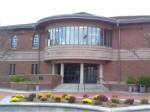
Cheshire, Hamden, Meriden, North Haven, Wallingford

Chester, Clinton, Cromwell, Deep River, Durham, East Haddam, East Hampton, Essex, Haddam, Killingworth, Middlefield, Middletown, Portland, Old Saybrook, Westbrook
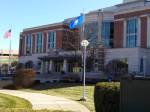
Berlin, Bristol, Burlington, New Britain, Newington, Plainville, Plymouth, Rocky Hill, Southington, Wethersfield
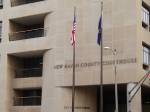

Bethany, Branford, Cheshire, East Haven, Guilford, Hamden, Madison, Meriden, New Haven, North Branford, North Haven, Wallingford, Woodbridge

Andover, Bolton, Columbia, Coventry, Ellington, Hebron, Mansfield, Somers, Stafford, Storrs, Tolland, Union, Vernon, Willington

Andover, Bolton, Columbia, Coventry, Ellington, Hebron, Mansfield, Somers, Stafford, Storrs, Tolland, Union, Vernon, Willington
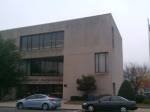

Middlebury, Naugatuck, Prospect, Southbury, Waterbury, Watertown, Wolcott, Woodbury